Water damage restoration and flood cleanup for Epping properties

Water Damage Restoration in Epping

Water extraction • Moisture checks • Practical restoration advice

Epping Water Damage Restoration Experts

A leaking pipe, overflowing appliance or stormwater entry can affect more than the visible wet patch. We assess the affected areas and explain suitable extraction, drying and cleanup options for Epping homes, rental properties and workplaces.

Water Extraction
Structural Drying
Mould Remediation
Hard Floor Drying

Need a restoration quote?

Discuss the damage and next steps

0433 420 900

Air Purification

For properties affected by leaks or flooding, air filtration may be useful during selected cleanup work. We assess the situation first and discuss whether an air purifier or HEPA filtration is appropriate for your Epping property.

Explore Service

Structural Drying

Moisture can remain inside plasterboard, wall cavities and subfloors after visible water has gone. Our structural drying approach uses suitable air movement, dehumidification and moisture checks based on the building materials involved.

Explore Service

Odour Control & Treatment

A persistent damp smell can come from wet underlay, hidden moisture or contaminated materials. We identify the likely source and explain suitable cleaning or deodorising options rather than masking the odour alone.

Explore Service

Mould Remediation

Mould remediation in Epping starts with understanding the moisture source and the affected surfaces. Depending on the findings, work may include isolating the area, cleaning suitable materials and identifying items that need removal or repair.

Explore Service

Sewage Cleanup

Sewer or toilet overflow needs careful handling because contaminated water can create health risks. We discuss controlled water removal, safe handling of affected materials and appropriate cleaning based on the contamination and site conditions.

Explore Service

Wood & Hard Floor Drying

Water can become trapped beneath timber, engineered boards and other hard flooring. We assess the floor type and moisture levels before recommending targeted drying, cleaning, repair or replacement where needed.

Explore Service

Water Extraction

Standing water from a burst pipe, appliance failure or stormwater entry can spread into nearby rooms. Our water extraction service removes pooled water from suitable surfaces before the remaining moisture is assessed.

Explore Service

Wet Carpet Cleaning

Wet carpet may hold water in the backing and underlay even when the pile looks nearly dry. We assess the water source and carpet condition, then explain whether extraction, drying, cleaning or removal is the appropriate option.

Explore Service
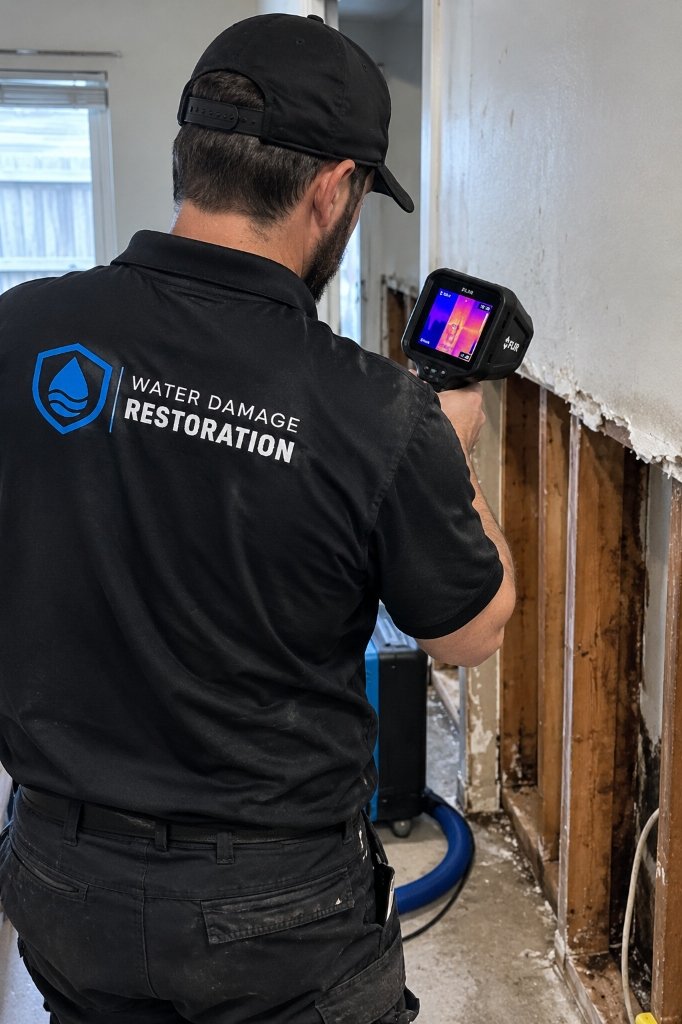
Restoration technician assessing moisture after water damage in Epping
Local Property Restoration Support

Why Epping Property Owners Contact Our Team

You need to know what has been affected, what work is needed and what it may cost. We explain the proposed restoration steps, discuss equipment suited to the materials and keep the focus on the damage at your property.

  • 24/7 phone enquiries, with arrival timing confirmed when you call
  • Restoration support for homes, rentals, shops and workplaces
  • Extraction, drying and air-cleaning equipment selected for the job
  • Moisture checks to help identify dampness beyond visible surfaces
  • 100% results guarantee, with the agreed scope and expectations explained clearly
  • Job photos and moisture records where collected for insurer discussions
  • Options for residential and commercial water damage
  • A clear quote and agreed scope before restoration work proceeds
A Practical Restoration Plan

Five Steps from Water Removal to Drying Review

Each incident is different. The work plan depends on where the water came from, which materials are affected and whether any safety concerns need to be addressed first.

1
Step 1

Inspect the Affected Areas

We discuss how the incident happened, check the accessible affected areas and use suitable moisture detection methods to help identify materials that may need treatment.

2
Step 2

Remove Standing Water

Where conditions allow, pumps and extraction machines remove pooled water from floors and other affected surfaces. Contaminated water is handled with additional precautions.

3
Step 3

Set Up Targeted Drying

Air movers and dehumidifiers can support drying in affected rooms. The setup depends on the flooring, wall materials, moisture depth and ventilation, with further checks used to review progress.

4
Step 4

Clean and Manage Odours

After the source and wet materials are addressed, suitable cleaning, air filtration or odour treatment may be considered for the property and the type of water involved.

5
Step 5

Review Moisture and Next Steps

We review available moisture readings, explain the work completed and discuss any remaining repairs or material replacement. Drying time depends on the site conditions, not a fixed timetable.

Common Property Water Problems

What Can Lead to Water Damage in Epping

From leaking appliances to roof water and blocked drains, the source affects how the damage should be assessed and cleaned.

Burst or Leaking Pipes

A failed pipe or connector can soak cupboards, hallways and floor coverings before the source is found.

Stormwater Entry

Heavy rain may enter through garages, doorways or low points and spread across floor surfaces.

Roof and Gutter Leaks

Damaged roofing or overflowing gutters can send water into ceiling spaces, wall linings and insulation.

Washing Machine Hose Failure

A split inlet hose or leaking connection can leave water beneath appliances and along nearby flooring.

Dishwasher and Sink Leaks

A failed dishwasher hose or sink connection can affect cabinet bases, kickboards and adjoining rooms.

Hot Water System Leaks

A leaking tank, valve or pipe may wet the surrounding floor and spread into nearby rooms.

Blocked Drains

Blocked drainage can cause water to back up into bathrooms, laundries, garages or outdoor entry points.

Toilet or Sewer Overflow

Treat sewage-contaminated water as unsafe. Keep people and pets away and arrange appropriate cleanup.

Bathroom and Ceiling Leaks

Leaks from upstairs bathrooms or ceiling cavities can damage plaster, paint and lower-level surfaces.

Refrigerator or Air-Conditioning Leaks

Slow leaks from appliance connections or condensate lines may stay hidden until staining or swelling appears.

Helpful Answers Before You Book

Epping Water Damage Restoration FAQs

Get clear answers about water extraction, damp carpets, contaminated water, insurance records and arranging a restoration quote in Epping.

Water Damage Restoration Enquiries

Request a Water Damage Restoration Quote in Epping

Tell us what happened, where water has spread and whether the source has been stopped. We can discuss suitable services, pricing factors and current availability for your property.

24/7 Phone Enquiries: Call to explain the damage and confirm available restoration options for Epping and nearby suburbs.
Phone Enquiries, 24/7 0433 420 900 Confirm Arrival Timing by Phone
Email Support info@dirtalert.com.au Questions About the Job or Your Quote
Local Service Area Epping and nearby northern Melbourne suburbs, VIC Ask About Availability for Your Address
Nearby Suburb Coverage

Water Damage Restoration Across Epping and Nearby Suburbs

We take enquiries for homes, rental properties and workplaces in Epping and nearby northern suburbs. Contact us with your postcode to check current availability.

South Morang
Lalor
Thomastown
Wollert
Mill Park
Bundoora
Whittlesea
Mernda
Reservoir

Need water damage restoration near you? Call 0433 420 900 to discuss your property and confirm whether service is available in your suburb.

Restoration Planning Guide

Epping Water Damage Restoration Guide

Learn how to assess water damage, compare restoration options and understand the equipment used for water extraction and drying in Epping, VIC.

Epping Restoration Reference & Equipment Guide Scroll up / down to read the full guide ↕

Water damage can change quickly after a pipe failure, roof leak, appliance overflow or stormwater entry. Water may travel along floor joints, soak carpet underlay or reach wall cavities before a large stain appears. A useful restoration assessment looks beyond the first wet patch and considers where moisture may have moved.

For a property in Epping, the right response may involve water extraction, moisture checks, structural drying, floor treatment, cleaning or specialist handling of contaminated water. The aim is to match the work to the source of the damage and the materials involved, rather than apply the same process to every job.

Need a water damage restoration quote in Epping? Call 0433 420 900 to explain the situation and confirm current availability.
Where Water Damage Often Hides

Water can sit below floating floors, between carpet and underlay, behind kitchen kickboards or inside wall cavities. These areas may stay damp after the room has been mopped and the surface feels dry. Timber can swell or cup, laminate edges may lift, and plasterboard can soften if moisture remains.

Other warning signs include bubbling paint, darkened grout, swollen skirting, loose floor coverings and a musty smell that returns after ventilation. These clues do not show the full extent of the damage, so suitable moisture checks may be needed before deciding whether drying, cleaning or replacement is appropriate.

If water has reached electrical fittings, a ceiling is sagging or the water may contain sewage, keep clear of the affected area and seek appropriate help. Safety comes before salvage work.

Choosing the Right Restoration Method

Water Extraction for Pooled Water

Pumps and extraction machines are used to remove standing water from suitable surfaces. The equipment choice depends on water depth, access, floor type and the source of the water. Extraction reduces the amount of water left behind but does not confirm that the building materials are dry.

Structural Drying for Damp Materials

Air movers and dehumidifiers help manage evaporation and indoor humidity. Their placement should reflect the room layout and the materials affected. A wall cavity, timber floor and carpet underlay may respond differently, so moisture checks help guide the drying setup.

Cleaning and Contamination Control

The source of the water matters. A supply-line leak may need a different cleanup plan from stormwater carrying debris or a sewage backup. Cleaning products and protective measures should be chosen for the contamination risk and the surfaces involved.

Follow-Up Checks

Drying should be reviewed rather than judged only by touch. Where readings are taken, comparing them over time can help show whether moisture levels are changing and whether more work is needed before the affected area is considered ready for the next repair stage.

Equipment Used for Water Damage Restoration

Equipment is selected according to the amount of water, the affected surfaces and the conditions inside the property. Common equipment can include:

Extraction machines and pumps: remove pooled water from accessible floors and suitable spaces.

Moisture meters: help assess dampness in accessible building materials and review changes during drying.

Air movers: circulate air across wet surfaces to support evaporation as part of a planned drying setup.

Dehumidifiers: remove moisture from indoor air and help control humidity during the drying period.

Floor-drying systems: may suit certain timber or hard-floor constructions where moisture is trapped below the surface.

Air filtration equipment: may be used for selected cleanup or remediation work where air cleaning is appropriate.

Services Available for Epping Properties

The following services may be relevant depending on the cause of the damage and the condition of the affected materials.

✓Water Extraction: removing pooled water after leaks and flooding.
✓Structural Drying: managing moisture in suitable building materials.
✓Wet Carpet Cleaning: assessing wet carpet, backing and underlay.
✓Wood and Hard Floor Drying: considering drying options for compatible flooring.
✓Mould Remediation: addressing affected areas and the moisture source.
✓Air Purification: using suitable filtration where required.
✓Odour Control: treating lingering smells after the source is handled.
✓Sewage Cleanup: managing contaminated water with appropriate precautions.

What Affects Restoration Cost and Drying Time?

Water damage restoration cost in Epping depends on the size of the affected area, the type of water, how far it has spread, the materials involved and the equipment or labour needed. A small wet carpet area may require a different service from a multi-room flood or a leak beneath timber flooring.

Drying time also varies. Ventilation, temperature, moisture depth and the construction of the property all influence how quickly materials dry. A quote should explain the proposed work and identify any factors that could change the scope after inspection.

If you plan to claim through insurance, ask your insurer which records and approvals it requires. Coverage depends on your policy and the insurer's decision, so do not assume every restoration cost will be reimbursed.

Preparing for a Restoration Visit

If it is safe, stop the water source and move unaffected belongings away from the wet area. Photograph the damage for your records. Avoid using electrical appliances in wet spaces and keep clear of any ceiling that is sagging or water that may be contaminated.

When you contact a water damage restoration expert in Epping, explain when the problem began, the likely source, the rooms affected and whether the water is still entering. These details help the team discuss the service options and check availability.

Whether you need emergency water extraction, commercial flood cleanup or wet carpet drying near you, ask for a clear explanation of the proposed work and the factors that affect the final price.